Denham's Dentifrice
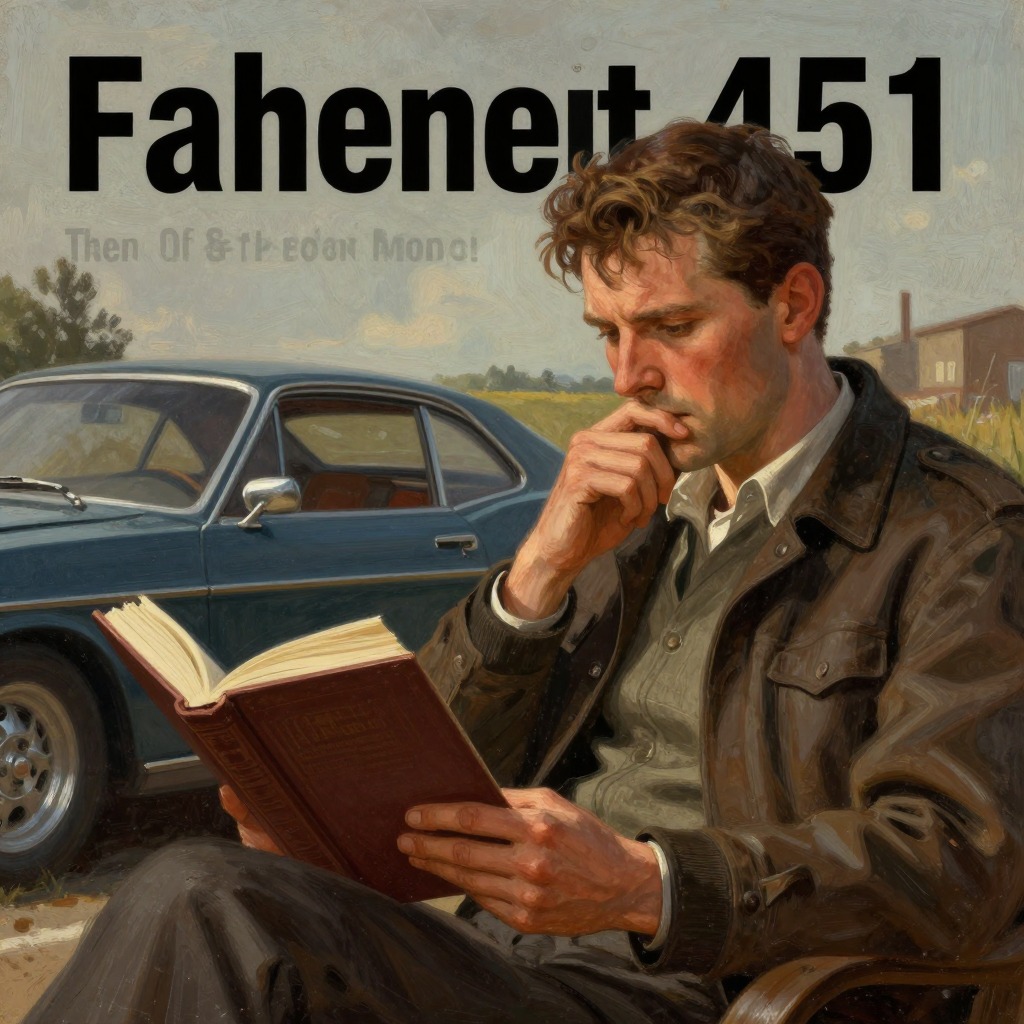
Denham's Dentifrice is a brand of dental hygiene product whose advertising jingle becomes a central symbol of the oppressive, thought-destroying commercial culture in Ray Bradbury's Fahrenheit 451. The jingle's relentless repetition during Montag's desperate attempt to memorize the Bible on a subway train crystallizes the novel's critique of a society that uses mass media and consumerism to drown out meaningful thought and genuine human connection.
The Jingle and Its Context
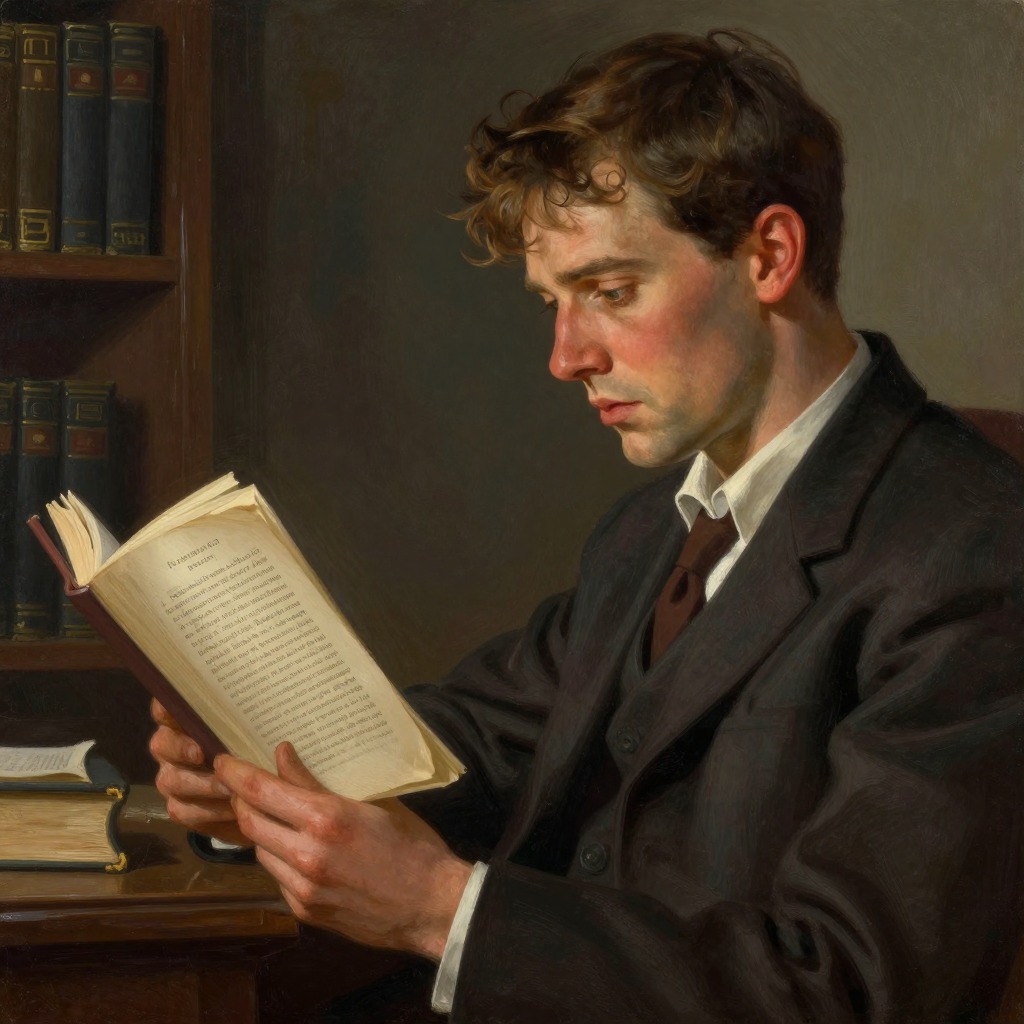
The Denham's Dentifrice jingle first appears as Montag rides the subway, clutching a stolen Bible and trying to commit its words to memory before he must surrender the book to Captain Beatty. The advertising slogan is blasted through the train's audio system, its simple, rhythmic chant—"Denham's Dentifrice"—repeated over and over, punctuated by variations like "Denham's Dandy Dental Detergent" and "Denham's dental detergent." The jingle is not merely background noise; it is an aggressive, inescapable force that actively competes for Montag's attention, its mechanical cadence designed to lodge itself in the listener's mind and crowd out any other thought.
Montag's Struggle Against the Noise
As Montag tries to read the biblical passage "Consider the lilies of the field," the Denham's jingle intrudes with increasing intensity. The text shows Montag's internal battle: he silently screams "Shut up, shut up, shut up!" while the jingle's syllables—"D-E-N"—are spelled out, and the phrase "Denham's does it!" is proclaimed. The jingle becomes a physical assault, a "fierce whisper of hot sand through empty sieve," directly paralleling Montag's childhood memory of trying to fill a sieve with sand. The advertising noise is the sand that will not stay, the force that prevents knowledge from taking root. Montag's eventual outburst—standing up in the crowded car, his face "insane" and "gorged," shouting "Lilies of the field" against the "Denham's" chant—is a desperate, public act of rebellion against the commercial brainwashing that defines his world.
Symbolic Significance
The Denham's Dentifrice jingle functions as a microcosm of the novel's dystopian media environment. It is a perfect example of what Captain Beatty describes as the culture's reduction of everything to "the gag, the snap ending" and the "digest-digests" that eliminate all unnecessary thought. The jingle is simple, repetitive, and emotionally empty, designed not to inform or engage but to occupy mental space and enforce a kind of passive, consumerist trance. It is the aural equivalent of the "parlour walls" that Mildred Montag watches, a tool of the "Happiness Boys" who keep the populace distracted and docile. The fact that the jingle is for a dentifrice—a trivial, everyday product—underscores the banality of the forces that have colonized the human mind. The struggle between Montag's biblical recitation and the Denham's jingle is a battle for the soul of the individual, a contest between the deep, textured meaning of literature and the shallow, repetitive noise of a society that has chosen entertainment over truth.
Aftermath and Resonance
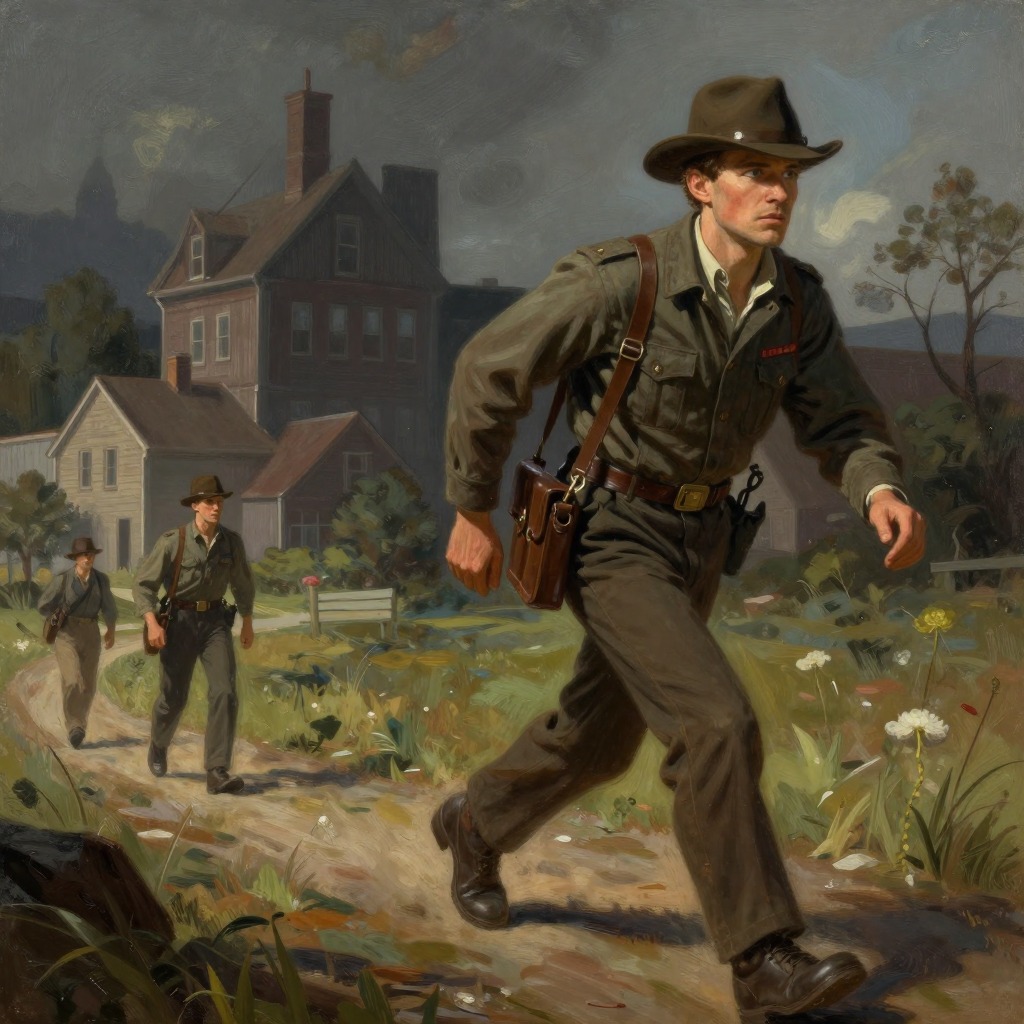
Montag's confrontation with the jingle leaves him shaken but resolute. He flees the train at "Knoll View," physically running from the sound, and the jingle follows him as a fading whisper: "Denham's." The experience is a turning point, hardening his determination to seek out Faber and to understand what books can offer. The Denham's Dentifrice jingle, though a minor element in the plot, becomes a powerful emblem of the novel's central conflict: the struggle to preserve individual thought and human connection in a world saturated with meaningless, commercialized noise. It is a reminder that the most insidious censorship is not the burning of books, but the constant, cheerful chatter that makes books seem unnecessary.